HKAF celebrates the 250th anniversary of the birth of Ludwig van Beethoven, a towering figure in the history of music and one of the greatest composers of his or any other age.
Who is Beethoven?
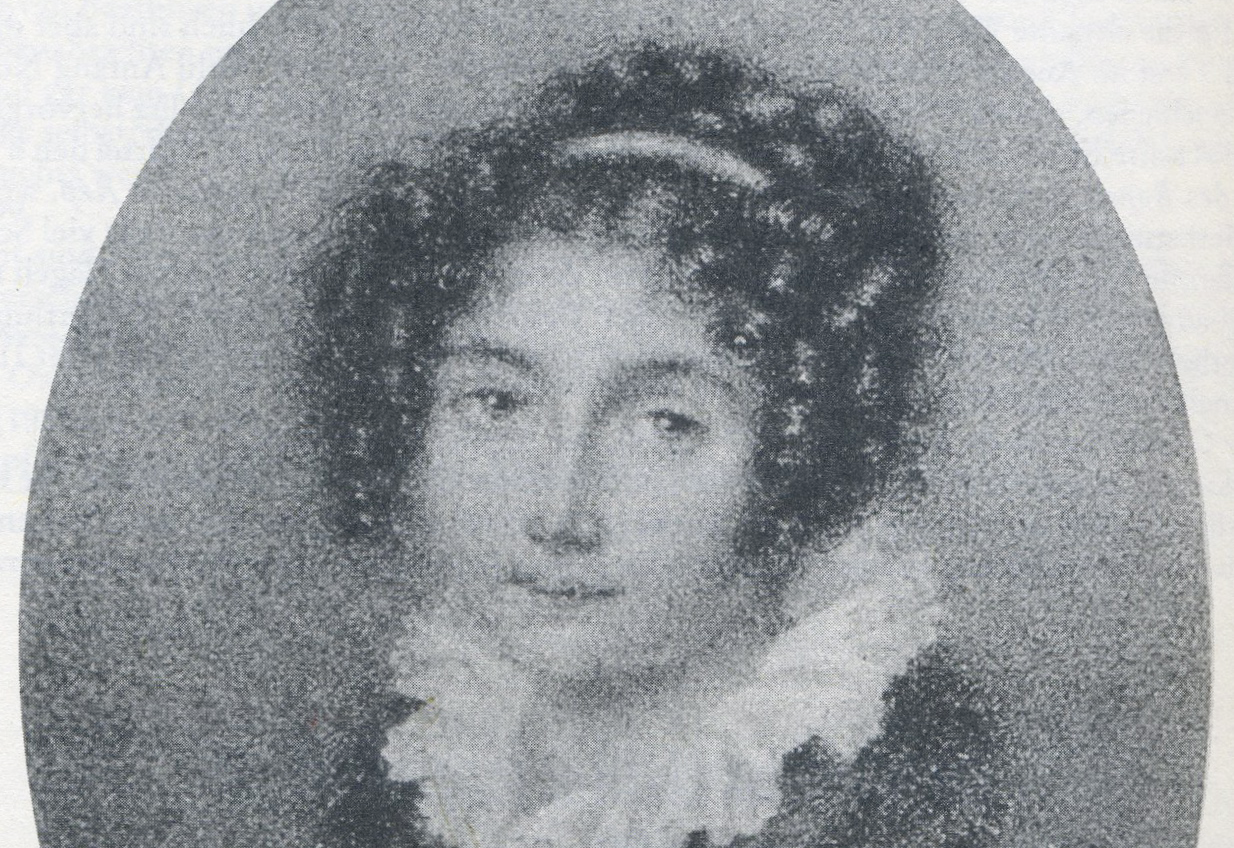
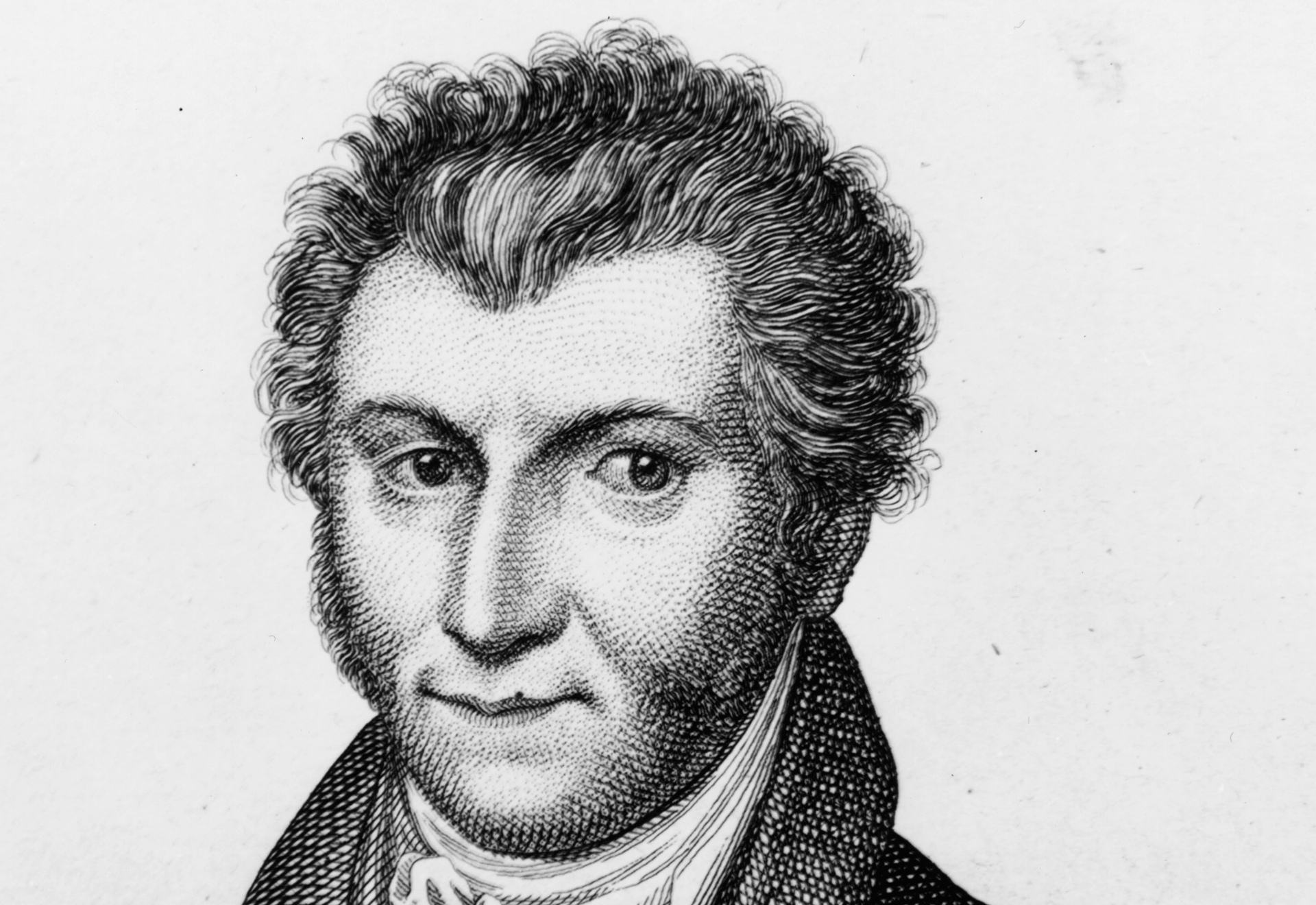
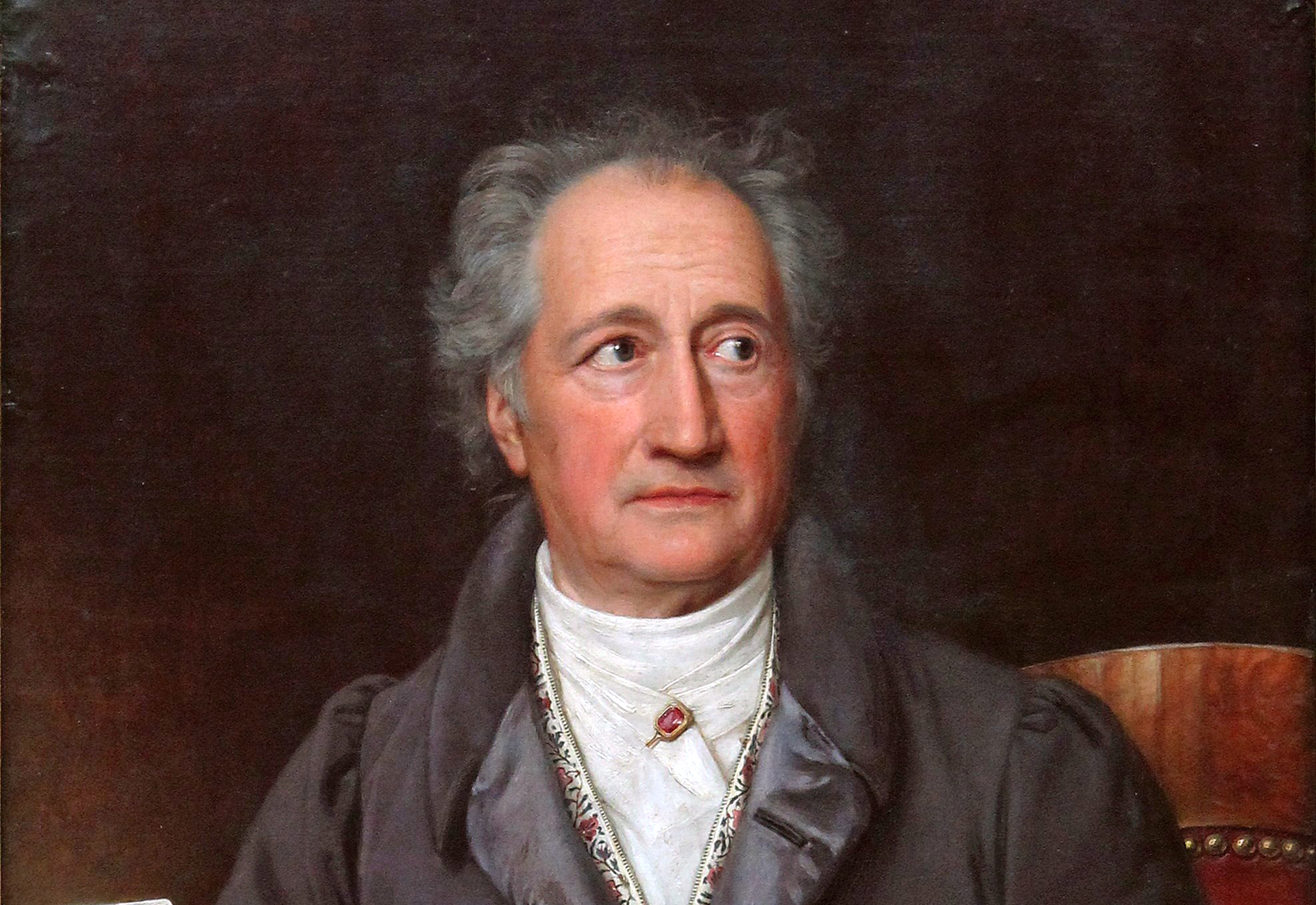
Beethoven was surrounded by friends, admirers, supporters and patrons. We may know more about Beethoven by reading how his peers said about him.
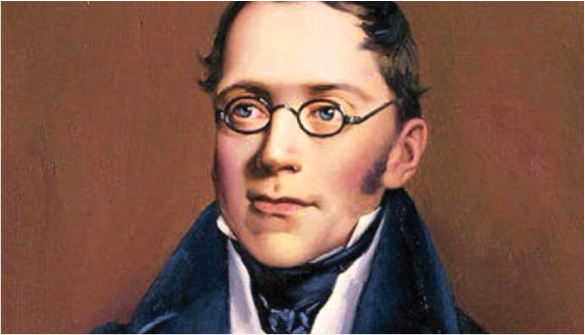
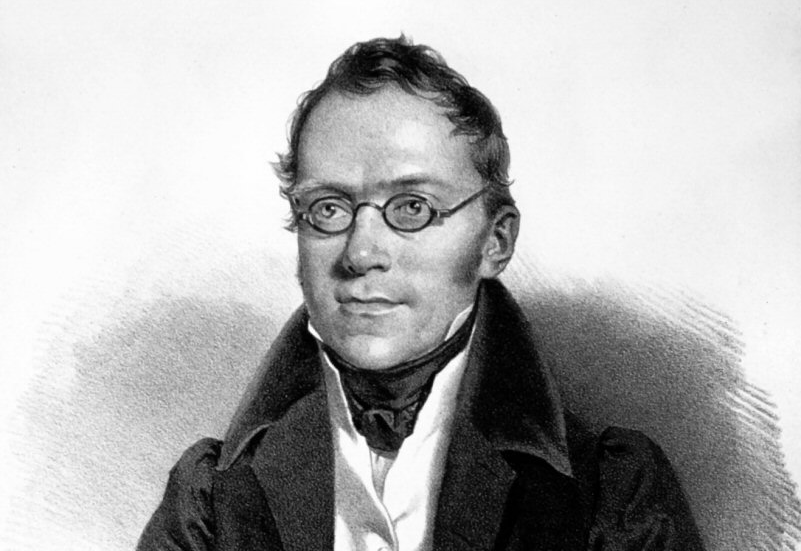
Carl Czerny
Beethoven's Student
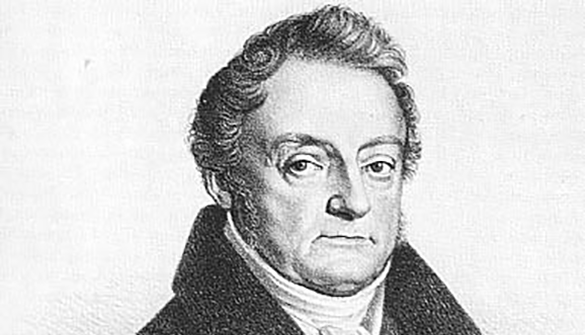
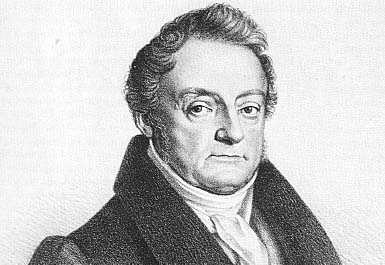
Count Waldstein
Beethoven's Patron
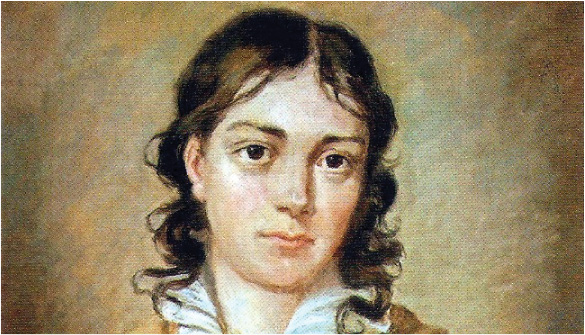
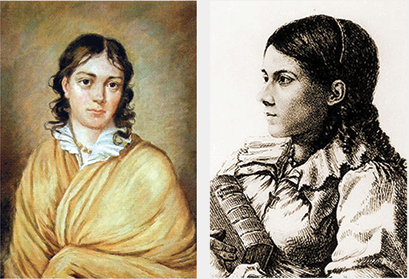
Bettina von Arnim
Writer; Wrote to Goethe connecting him and Beethoven
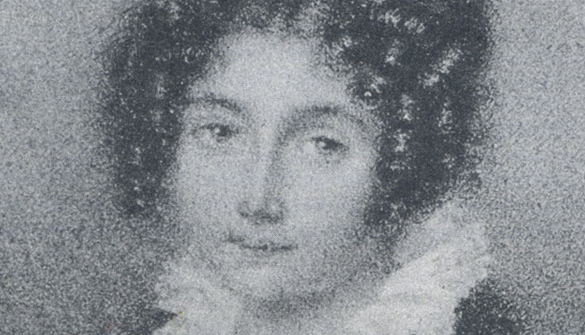
Josephine Brunsvik
Beethoven's early student
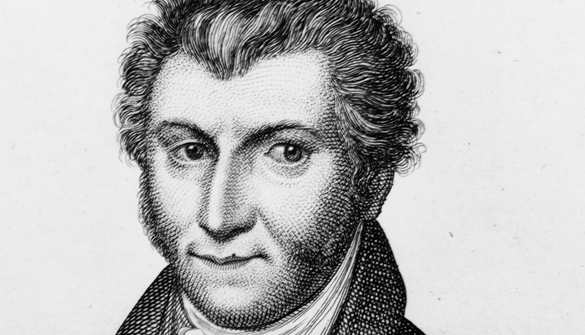
E T A Hoffmann
Author; Music Critic
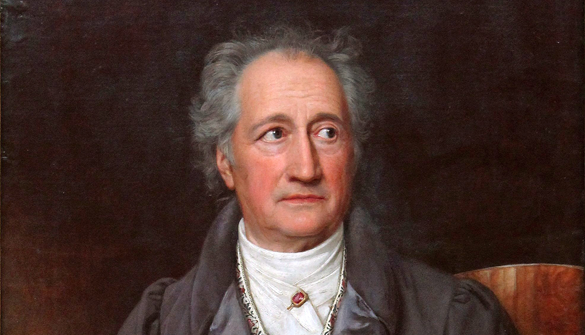
Johann Wolfgang von Goethe
Writer, statesman
Events
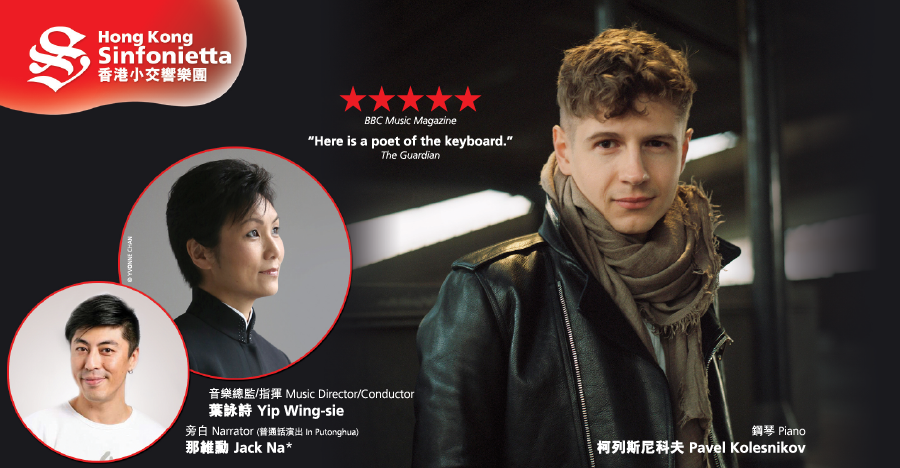
The concert features Beethoven’s Leonore Overture No 3 and the world premiere of Alexander Goehr’s The Master Said for narrator and orchestra. Not to be missed.
The Hong Kong Sinfonietta will also perform with Russian wunderkind Pavel Kolesnikov.
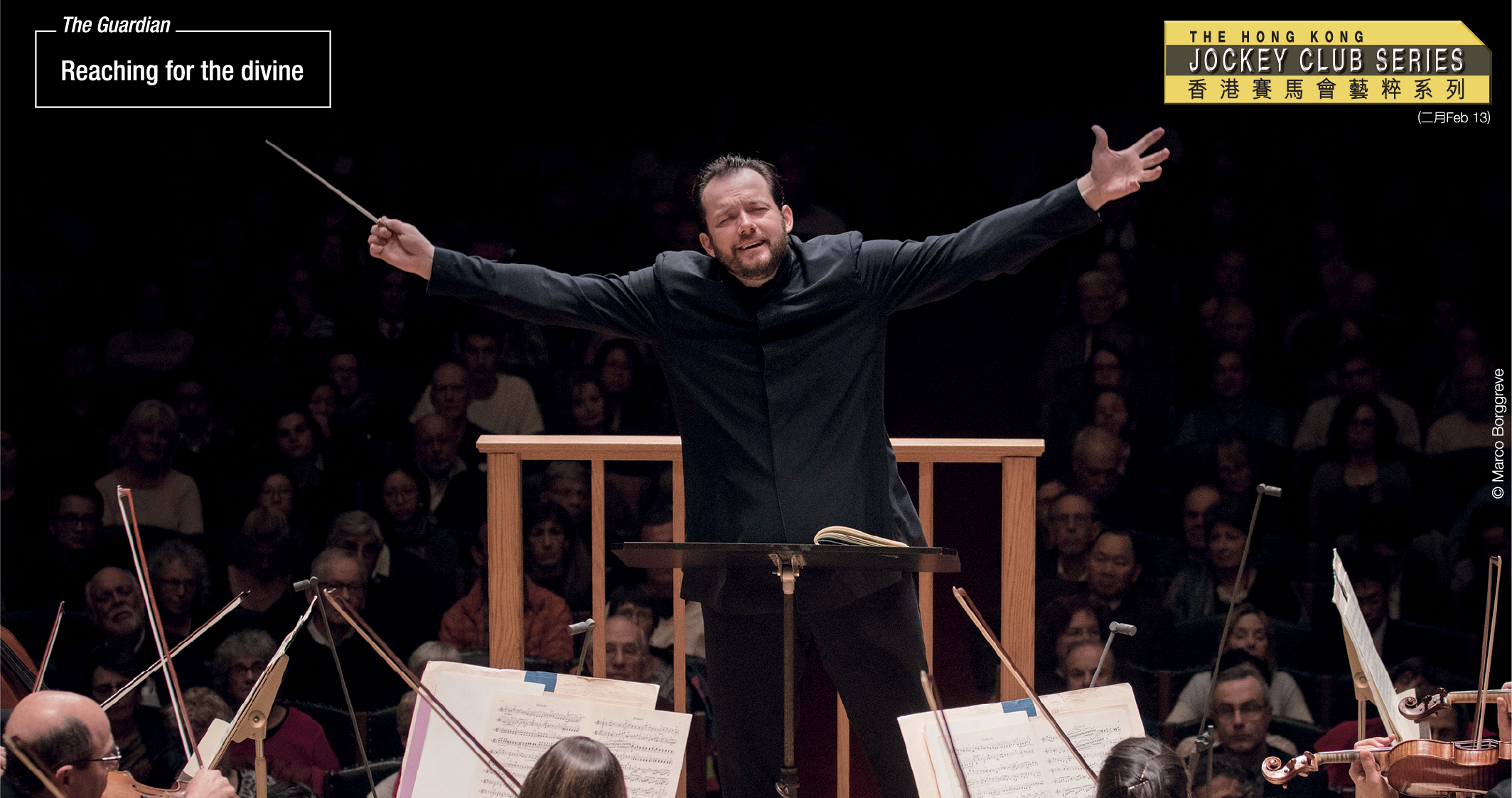
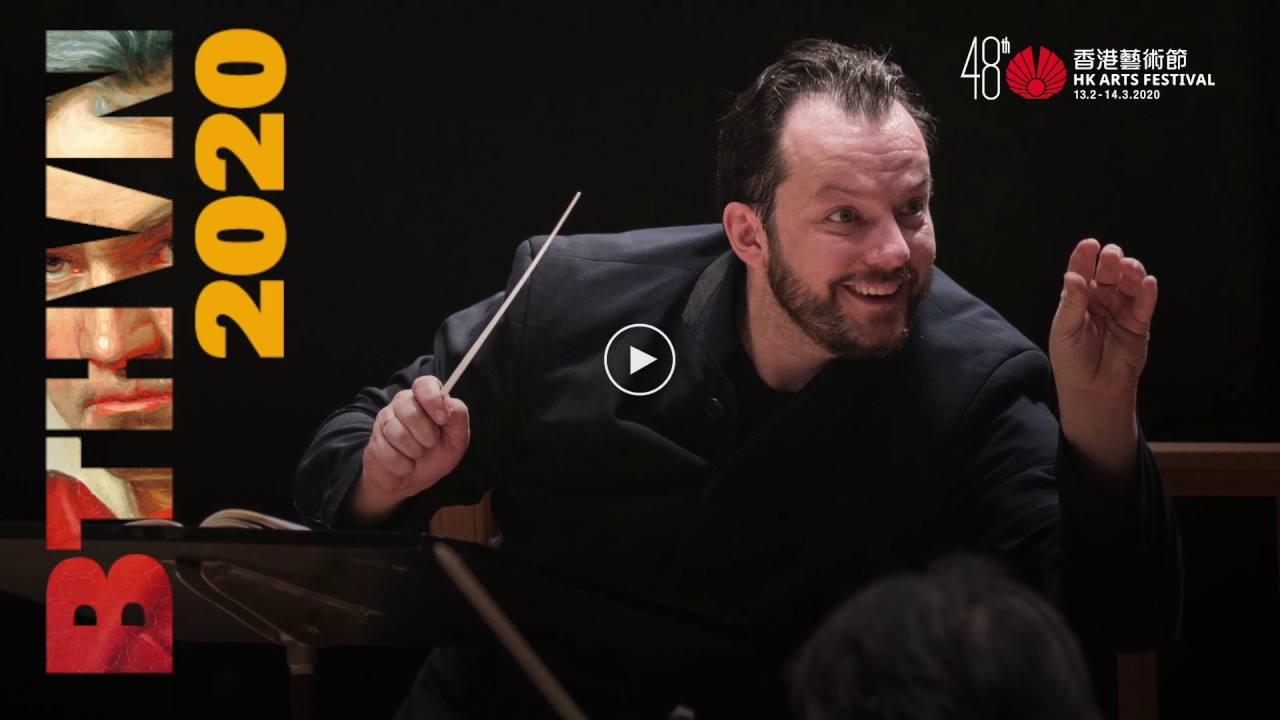
The Boston Symphony Orchestra’s return to Hong Kong after over 25 years is set to be the spectacular event in town with the Hong Kong debut of its music director, Andris Nelsons.
Yefim Bronfman will perform with the orchestra the fourth piano concerto by Beethoven.
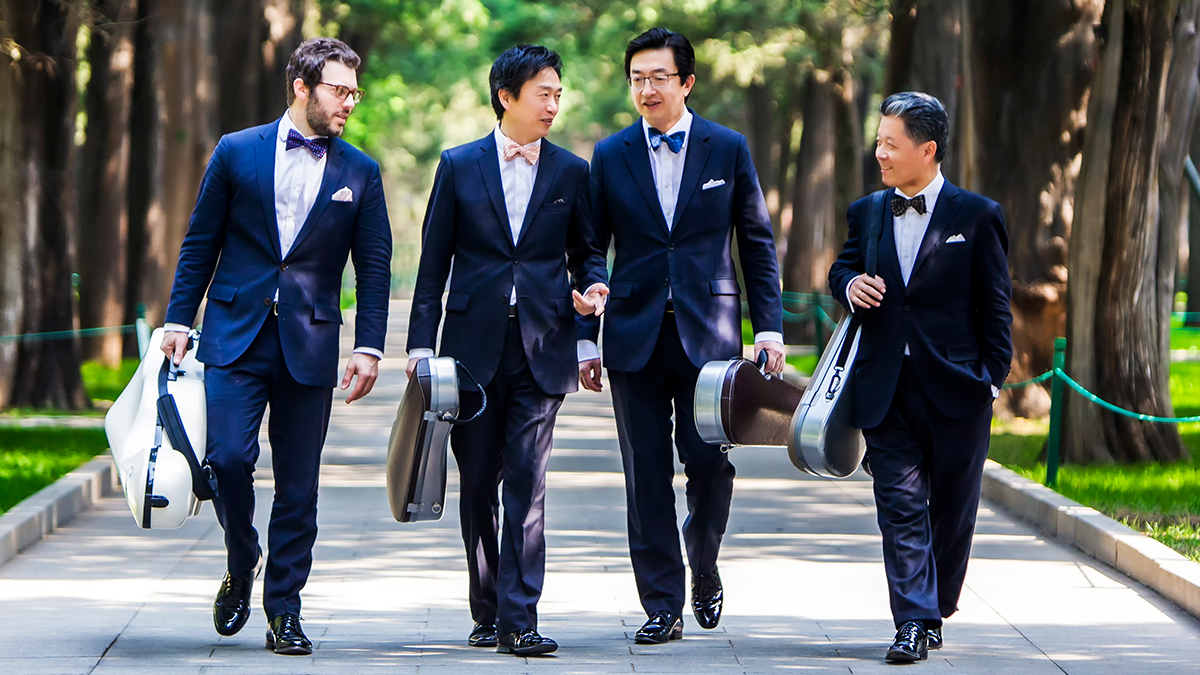
“Utterly sublime”
Having performed the complete Beethoven string quartet cycle multiple times worldwide, these long-time chamber music partners illustrate their “wonderfully ferocious and illuminating performance” (The Washington Post) in two concerts featuring six of Beethoven’s sixteen quartets. Formed in 1983, the Shanghai Quartet is renowned for its passionate musicality, impressive technique and multicultural innovations.
With their “admirable sense of ensemble and a lush Romanticism” (The Strad), the Shanghai Quartet’s rendition of Beethoven’s music is considered authoritative. The first evening features the first string quartet ever composed by Beethoven Op 18, the “Quartetto Serioso”, and the poignant Op 132, reflecting his life-threatening illness and joyous recovery. The second concert begins with his monumental “Second Razumovsky” quartet and finishes with two late quartets. A highlight of Beethoven 2020.
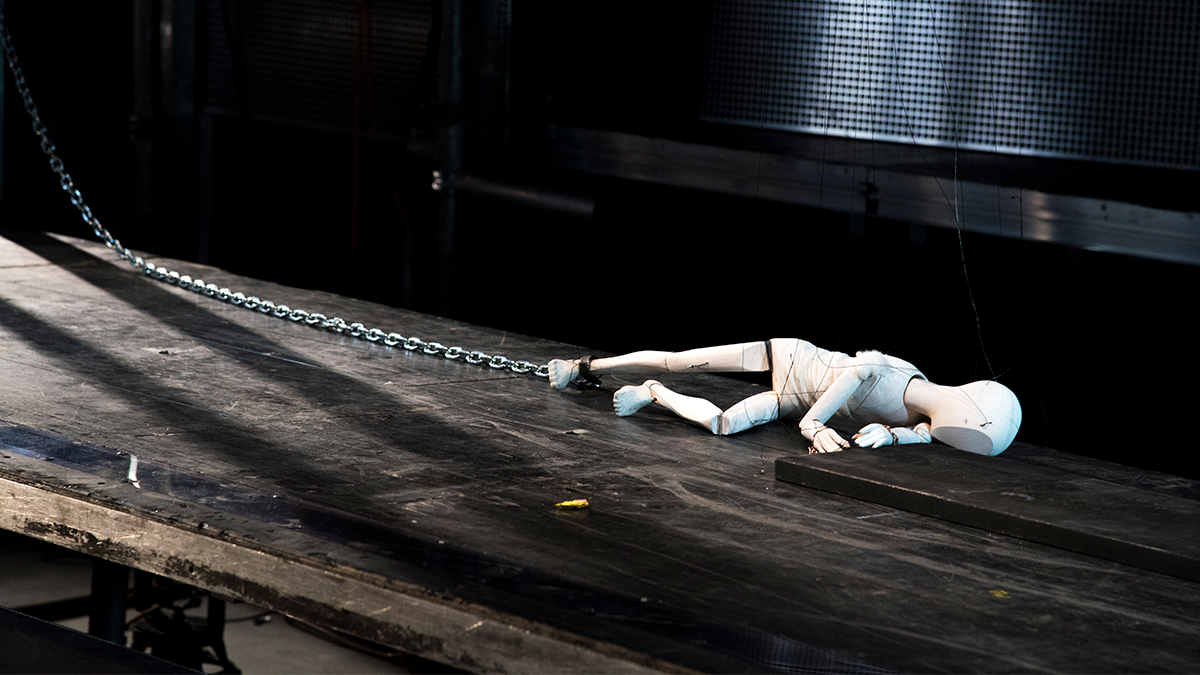
Fascination, illusion, artistry and tradition
An uplifting tale of heroism and love, Fidelio is a story for our times. The devoted Leonore is an ordinary woman who goes to extraordinary lengths to help her husband escape from an unjust imprisonment during the French Revolution. In this brand-new version by the Salzburg Marionette Theatre, celebrated German director Thomas Reichert and set designer Michael Simon bring audiences the utopia of love, humanity, hope and brotherhood that the composer longed for. Hailed as the “most highly developed form of puppet and figure theatre” and listed as intangible cultural heritage by UNESCO, the Salzburg Marionette Theatre has been Austria’s cultural ambassador since its founding in 1913. Their production of Beethoven’s only opera was commissioned by Beethovenfest Bonn in celebration of the composer’s 250th birthday. An unmissable event for lovers of opera, theatre, history, culture and Beethoven.
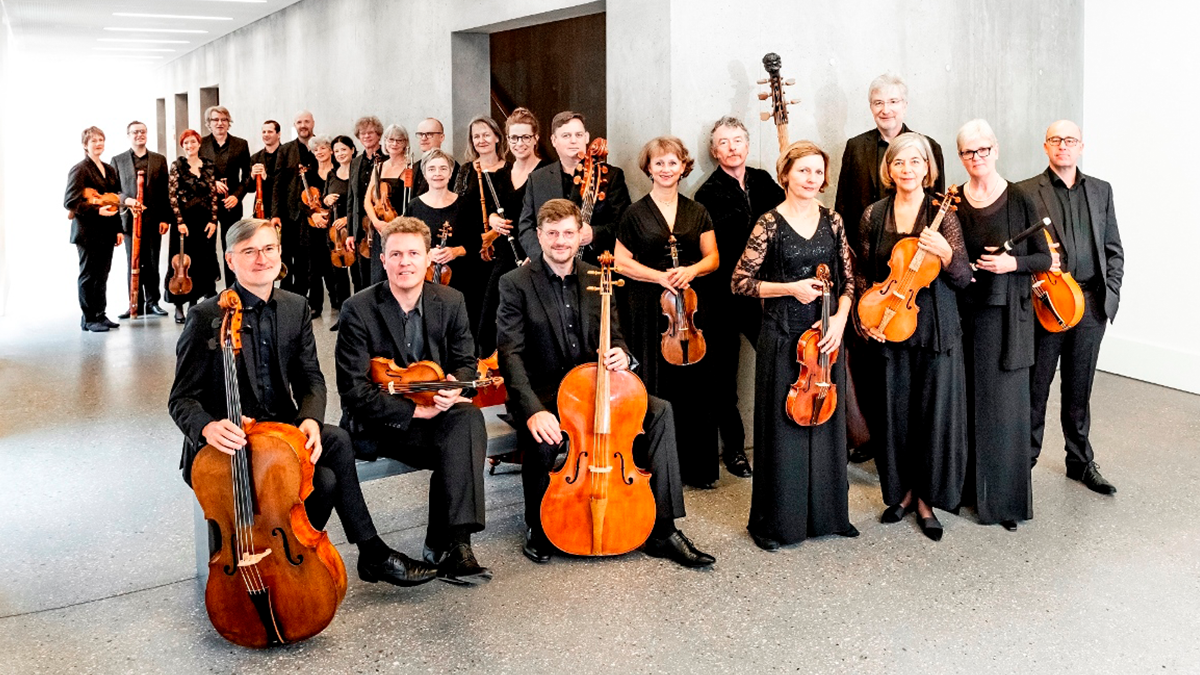
Beethoven’s piano concerti will be exquisitely rendered on fortepiano by Kristian Bezuidenhout, 18th-century keyboard specialist, accompanied by the Freiburg Baroque Orchestra.
“One of the most stylish and versatile of early music ensembles” (New York Classical Review), Freiburg Baroque Orchestra specialises in Renaissance, Baroque and classical works performed on period instruments. At the 2020 Festival, the award-winning German orchestra will perform two concerts dedicated to Beethoven and Mozart. In their first concert, Beethoven’s first three piano concertos will be exquisitely rendered on fortepiano—predecessor of the modern piano—by Kristian Bezuidenhout, a specialist in 18th century keyboard music on fortepiano, harpsichord and modern piano. Soprano Robin Johannsen joins the second concert, featuring both the composer’s piano concertos and concert arias, for a vivacious, graceful all-Mozart evening.
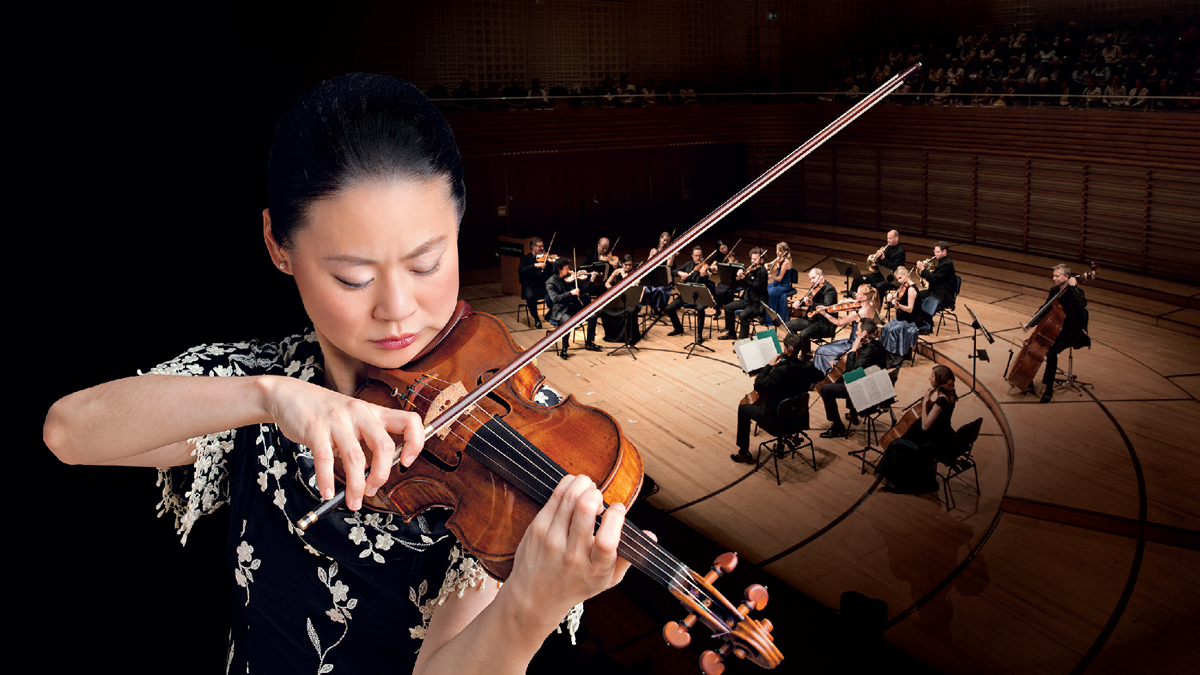
“Midori’s tone was, as ever, sweet and pure; an evergreen talent”
Having debuted at age 11 as a prodigy under Zubin Mehta with the New York Philharmonic, going on to conquer Tanglewood with two broken E-strings on her violin in front of Leonard Bernstein at age 14, the multiple award-winning concert violinist Midori has since made an impressive career of over 30 years collaborating with world-class conductors and musicians. Not only has she established and sustained her position as one of the world’s greatest musicians, but she has also gained tremendous respect for her efforts in community engagement, nurturing new talents and promoting classical music to the underprivileged.
Boasting a distinguished history of over 60 years, Festival Strings Lucerne is lauded for its “golden sound” (The Washington Post), with its legendary antique instruments made by Stradivari, Guarneri and Amati and the musicians’ youthful and dynamic approach. To celebrate Beethoven’s 250th birthday, Midori joins hands with the Festival Strings Lucerne to perform all of the music giant’s major works for violin and orchestra.
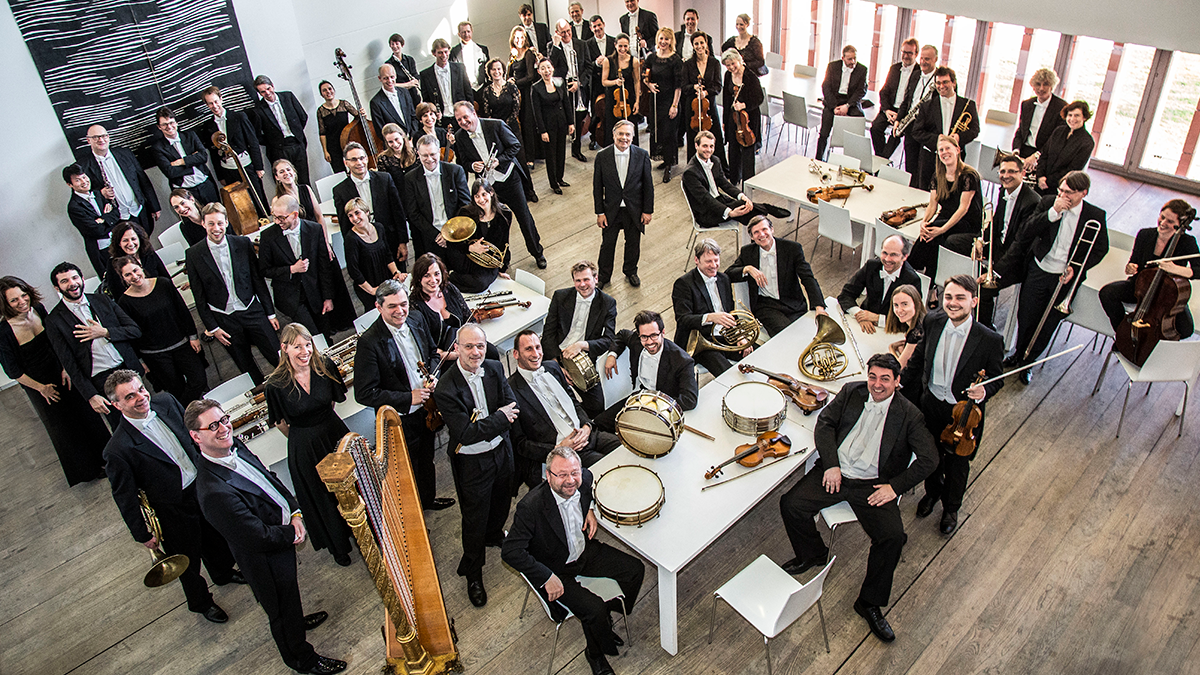
“[Their Beethoven symphonies are] a stimulating, exhilarating experience”
Formed in 1987, the skilled Flanders-based orchestra Anima Eterna Brugge plays on authentic period instruments that capture the tone colours of Beethoven’s Vienna.
Viennese-style woodwind instruments, natural horns, trumpets without valves, violins with thick gut strings—all instruments used by the orchestra are replicas of the ones used in the composer’s time. Some are even originals. To identify Beethoven’s final version of score, the musicians have conducted an immense amount of research. They use the Viennese pitch, which is slightly higher than the one widely used today, resulting in a more dramatic sound.
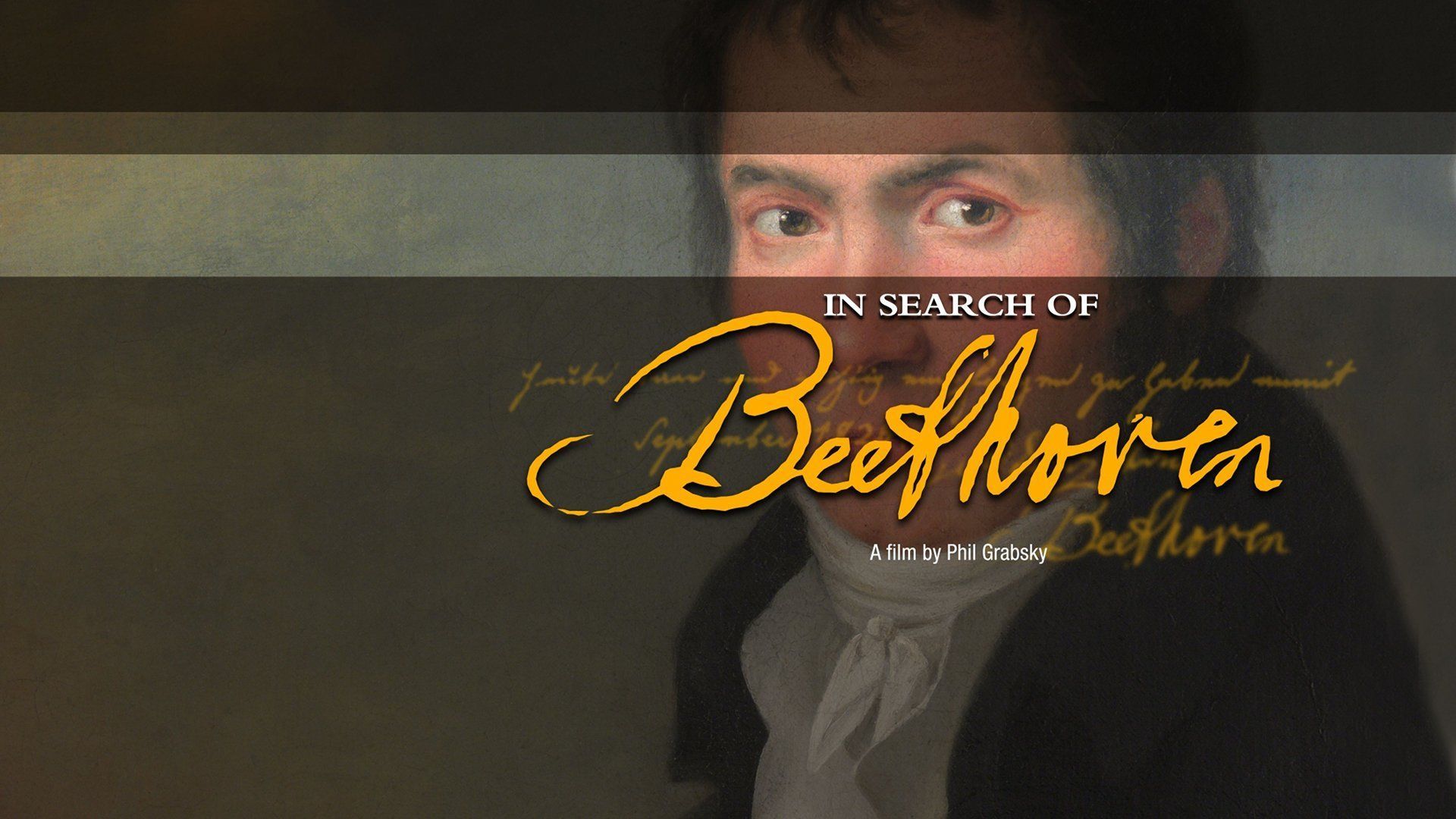
This essential Beethoven film, called by the Beethoven-Haus in Germany, features live performances of the maestro’s works by the world’s greatest musicians.
2020 marks the 250th anniversary of Ludwig van Beethoven’s birth, and we’re celebrating the momentous occasion with a special screening of this absorbing documentary, “In Search of Beethoven”. Known as the patron saint of music, Beethoven has given the world iconic pieces such as “The Eroica Symphony”, “Ode to Joy” and “The Pastoral Symphony”. The tortured genius suffered the loss of his hearing at the height of his career, but he defied grief and composed masterpieces “Symphony No. 5”. The heartrending “Moonlight Sonata” was created out of sorrow, as the pupil he was in love with at the time turned down his proposal of marriage because of social class difference – in sorrows Beethoven received joy. Throughout his life, Beethoven broke classical music traditions in structure, rhythm, chord and instrumental arrangements, and even adding vocals in a symphony. This essential Beethoven film, called by the Beethoven-Haus in Germany, features live performances of the maestro’s works by the world’s greatest musicians, including Berliner Philharmoniker, Orchestre de Paris and the Leipzig Gewandhaus Orchestra, and insightful interviews with conductors, musicians and musicologists.
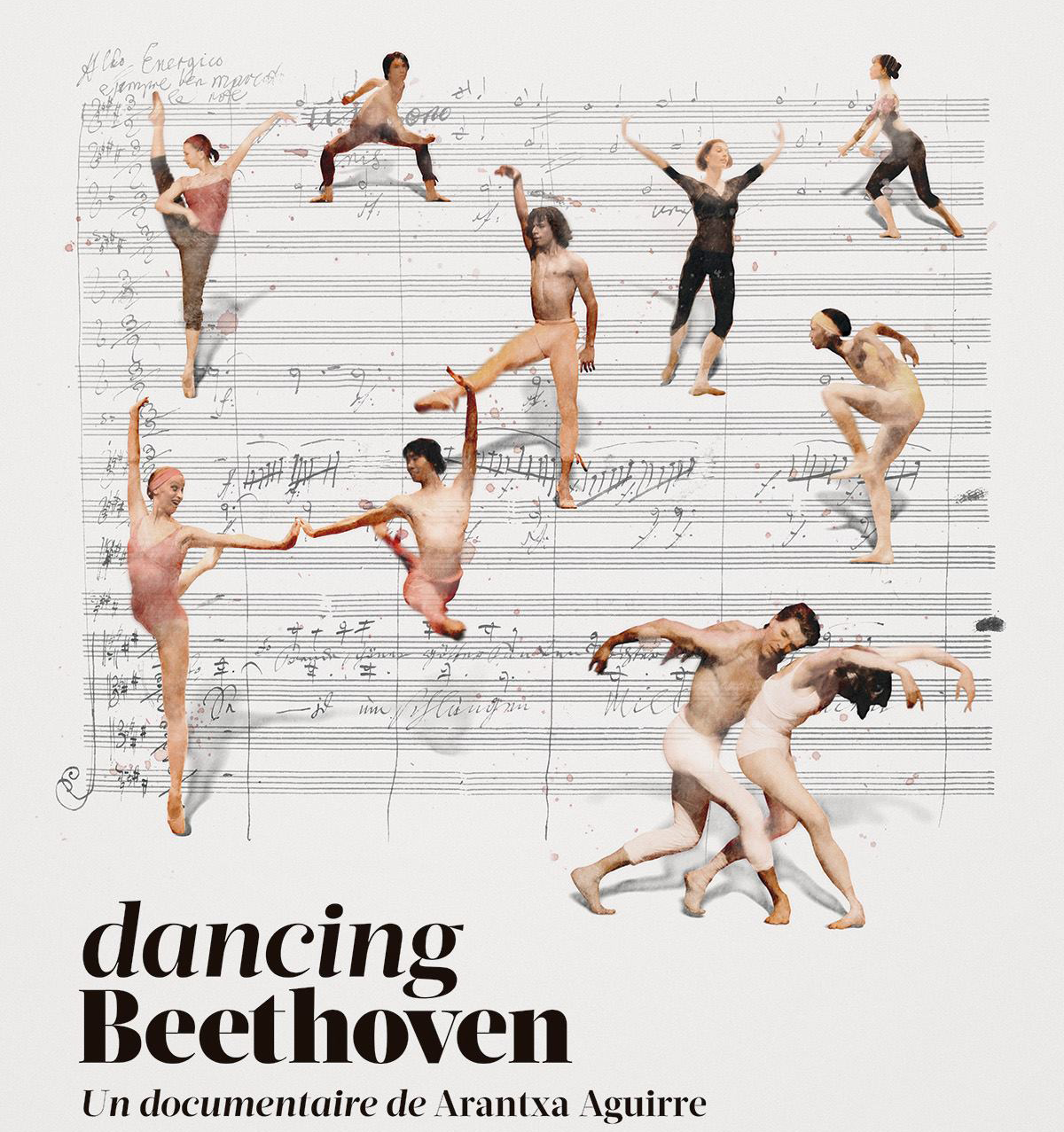
The film retraces nine months of intense and passionate rehearsals from the beginning of the choreographic work of this masterpiece up to the first performance at the NHK Hall in Tokyo in 2014.
In collaboration with the Tokyo Ballet and the Israel’s Philharmonic Orchestra directed by Zubin Mehta, Gil Roman revived with the Béjart Ballet Lausanne in 2014, one of the most break taking works of the 20th century: “The Ninth Symphony” by Beethoven, choreography by Maurice Béjart in 1964. The film dancing Beethoven retraces nine months of intense and passionate rehearsals from the beginning of the choreographic work of this masterpiece up to the first performance at the NHK Hall in Tokyo in 2014. Get a feel of the daily life of 250 artists, dancers, singers and musicians from all over the world, gathered around one common work celebrating human fraternity.
Come and enjoy Beethoven's music! Free to join. More information will be published soon.
Has the keyboard evolution affects the interpretation of Beethoven’s music?
While Beethoven’s music has been preserved through manuscript, instrument has evolved tremendously in the past 250 years. Keyboard instrument has evolved from harpsichord to fortepiano during Beethoven’s lifetime, both instruments are predecessor of the modern piano. Has this keyboard evolution affects the interpretation of Beethoven’s music?
Changes of instrument’s structure, materials and mechanism affect performer’s interpretation and audience appreciation. Historically informed performance is a way to trace back to the authentic sound of Beethoven, and to reproduce the different touch and tonal quality of the period instrument. This brings a music experience more in line with the composer’s original idea.
This lecture demonstration will be conducted by renowned keyboard expert Jos van Immerseel to demonstrate Beethoven’s music on harpsichord and fortepiano, highlighting Beethoven’s skillful adaptation when he composed on different keyboard instruments. A modern piano will also be used as comparison during the recital.
How much had been “lost in translation” in this keyboard evolution? Come join us and discover the authentic Beethoven.
Discover Beethoven's life story and many façades in these presentations by renowned artists.